
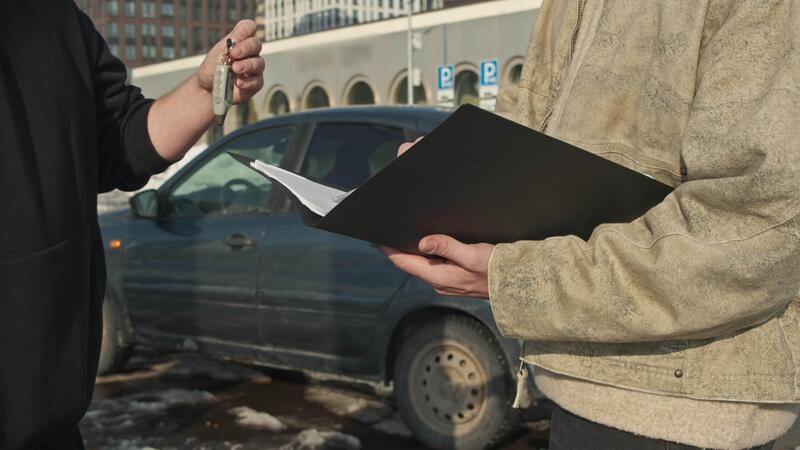
How to sell your car in the UK: the complete 2026 guide
Selling a car in the UK in 2026 is genuinely simpler than it was even five years ago, but the sheer number of options (private classifieds, dealer part-exchange, instant-buy platforms, auction-style sites like Motorway) can also make it confusing. This guide explains how each route actually works, what you will realistically get, and how to decide which fits your situation.
The three real options
Strip away the marketing and UK car selling comes down to three paths:
Private sale
You sell directly to another consumer via Auto Trader, Facebook Marketplace, eBay Motors, Gumtree or word of mouth.
Part-exchange
You trade your car in at a dealership as part payment for a newer one.
Instant buy
You sell to a dedicated car-buying service (Motorway, WeBuyAnyCar, Carwow Sell, Cazoo, Cinch).
Auctions, charity donation, and scrap are niche options we will not dwell on here. For 95 percent of UK drivers, the choice is between these three.
How much you will actually get
Based on our own analysis of thousands of UK sales in 2025, here are the typical gaps between routes for a common, reasonably well-maintained car:
| Route | % of private sale |
|---|---|
| Private sale | 100% |
| Motorway / Auction-style | 88 – 94% |
| Carwow Sell / Instant buy | 82 – 90% |
| WeBuyAnyCar / Cazoo | 75 – 85% |
| Part-exchange | 75 – 85% |
Real example: On a car worth £8,000 privately, that is a gap of roughly £400 to £2,000 between the top and bottom of the table. Whether that is worth your time depends on how quickly you need the cash and how much faff you are willing to accept.
Private sale: maximum value, maximum effort
A good private sale starts long before you list. In order:
Deep clean, inside and out
A £15 valet pays for itself ten times over. A clean engine bay signals care.
Fix the small cosmetic stuff
A £45 kerbed-alloy repair, a smart bumper touch-up, a bulb replacement. These do not move serious hagglers, but they remove excuses to haggle.
Gather paperwork
V5C logbook, service history, MOT certificates, receipts for anything major (timing belt, clutch, new tyres), spare key, locking wheel nut.
Photograph in flattering light
Overcast morning is ideal. Avoid bright midday sun (harsh shadows) and no dark backgrounds.
Write an honest, specific listing
List all options, service history, any known faults. Bland or vague listings attract time-wasters.
Price 5 to 8% above your minimum
Private buyers expect to haggle down.
Typical time commitment: two to six weeks from listing to completion, with maybe two or three serious viewings in that time.
Instant buy: speed above all
The instant-buy category has exploded. Motorway uses a next-day dealer auction format: your car is seen by thousands of trade buyers and the winning bid comes back in 24 hours. WeBuyAnyCar is closer to the original model: you enter the reg, get an online quote, drive to a branch, they inspect, they give you a (usually lower) final offer, you accept or leave.
Key differences
Motorway
Usually pays the most of any instant buyer because the car is auctioned to many dealers. They also tend to collect from your driveway.
WeBuyAnyCar
The fastest if you are near a branch and do not mind the inspection downgrade (they almost always revise offers down after seeing the car).
Carwow Sell
Sits between: online bids from dealers, but typically a smaller pool than Motorway.
Heads up: The initial online quote is not the final offer. Instant buyers almost always revise the figure after a physical or remote inspection. On a £10,000 car, expect 5 to 12 percent to come off the initial quote on average.
Part-exchange: convenience, if you are already buying
Part-exchange only makes sense if you are buying another car from the dealer. If you are not, skip this route entirely.
The dealer's game is bundled pricing. They will happily give you a £500 higher part-exchange price if you pay a £500 higher purchase price on the new car, or vice versa. To get a fair deal you need to price both sides separately.
The process
Get the instant-buy and private-sale benchmarks for your current car (moValue shows all three side by side).
Get a firm written quote for the new car without mentioning your part-exchange.
Then introduce the part-exchange. If the dealer will not beat your instant-buy figure by at least a few hundred pounds (to reflect the time you are saving), walk away from that side of the deal and sell privately or to an instant buyer instead.
Paperwork you must do, whichever route you pick
Inform DVLA that the car has a new keeper. Online using the 11-digit number on the V5C logbook. This is the critical step: until DVLA is updated, you are still the legal keeper and any speeding tickets, parking fines or congestion charges will come to you.
Cancel your insurance or transfer it to the new car the same day. Many insurers refund unused premium pro rata.
Cancel direct debits like breakdown cover, cleaning subscriptions, etc.
Hand over all keys and documentation : V5C new-keeper slip (keep the rest for your records), service book, MOT certificates, owner's manual, spare key, locking wheel nut key.
Remove all personal data from infotainment: paired phones, saved destinations, garage door opener codes. Factory-reset the system if possible.
Common mistakes that cost real money
Accepting the first online quote without checking others.
Two minutes on moValue is worth hundreds of pounds in most cases.
Agreeing a part-exchange before pricing a straight sale.
You will almost never get the best deal.
Selling with advisories unaddressed.
A £50 tyre replaced before sale often adds £200 to the offer.
Being vague about service history.
"Full history" means stamped, consistent, and ideally dealer/specialist. "Serviced regularly" is a red flag for buyers.
Not telling DVLA.
Weeks of fines from speed cameras you did not trigger are entirely avoidable.
Bottom line: how to choose
Pick private sale if...
You have three weeks, a decent phone for photos, the patience to write a proper listing and handle messages, and the confidence to stand firm on price.
Typically £400 to £2,000 more than any instant-buy figure.
Pick instant buy if...
You need the car gone this week, you are moving abroad, or the extra money is not worth the time investment to you.
Motorway tends to be strongest for most cars in 2026.
Pick part-exchange if...
You are already buying from a dealer and the numbers genuinely beat instant-buy once you have priced the new car separately.
Convenient, but only if the dealer price is fair on both sides.
Whichever route you pick, start by seeing all three side by side. That is the whole point of moValue.

Buying, not selling? Check the car first
moValue shows the MOT history for free. For a full check covering finance, theft, write-off and mileage, our partner carVertical pulls records from 900+ data sources across Europe.
- Outstanding finance & theft checks
- Accident damage & write-off history
- Mileage verification across Europe
Affiliate link. moValue earns a small commission at no extra cost to you.
Related Guides
See what your car is worth across all three routes
Free, 30 seconds, no signup. Just your reg.
Value my car