
The best time to sell a car in the UK
The same car can fetch noticeably different prices depending on when you sell it. Timing will not turn a tired car into a bargain, but choosing the right month, staying ahead of the MOT and avoiding mileage milestones can add a few hundred pounds with very little effort.
The UK car market through the year
- January: slow start. Budgets are stretched after Christmas, though buyers who need a car quickly are still around.
- February: demand picks up as people prepare for the March plate change and dealers look for part-exchange stock.
- March: new registration plates arrive. Part-exchanges flood in, but used demand is strong too. A busy, competitive month.
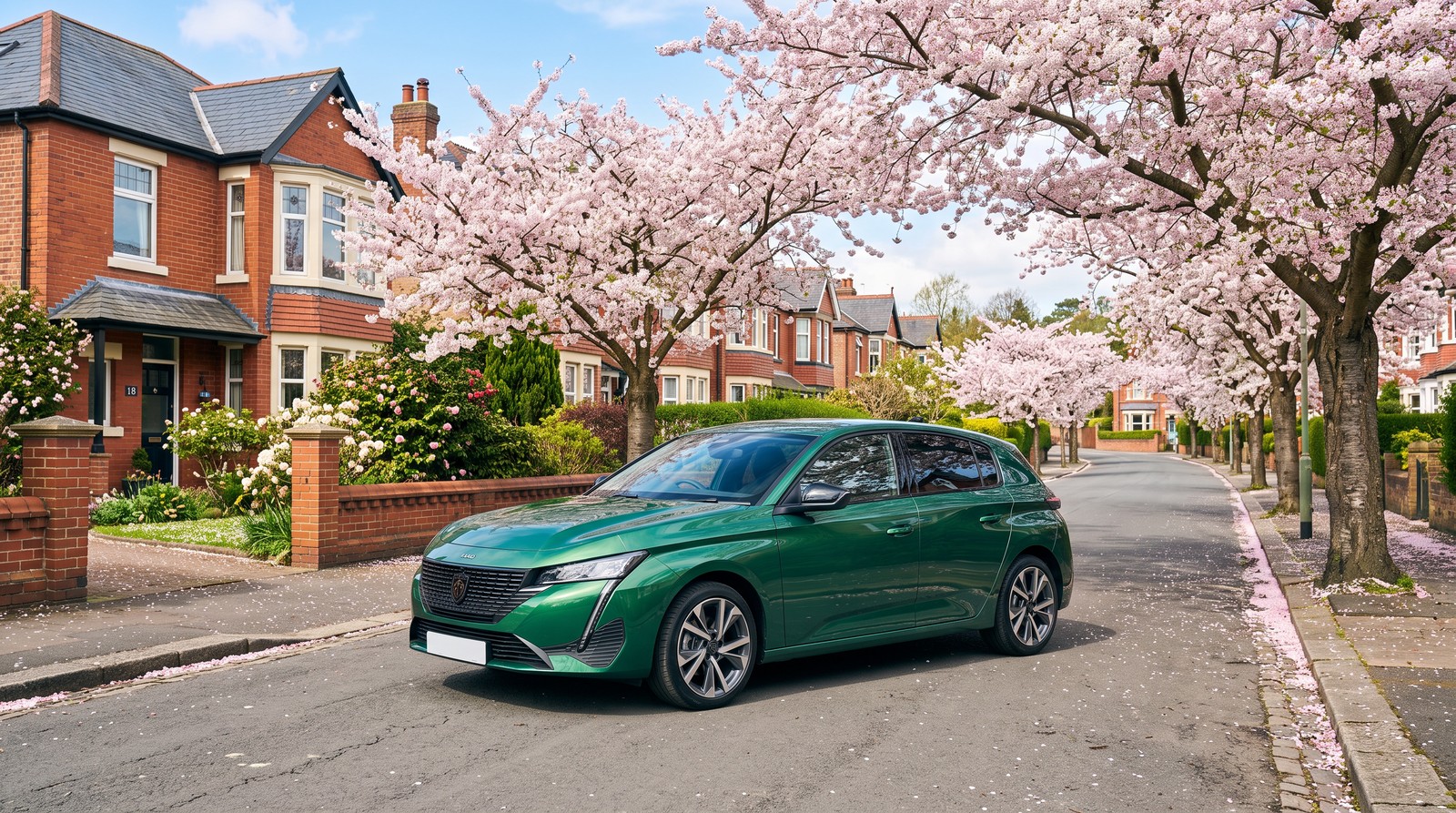
- April to June: often the sweet spot for private sales. Longer evenings mean more viewings, and convertibles, sports cars and motorbikes are in peak demand.
- July and August: holidays slow things down. Family cars and estates still sell ahead of summer trips.
- September: the second plate change. Another wave of part-exchanges, which can soften prices for some popular used models.
- October and November: steady. 4x4s, SUVs and cars with good heating and safety kit become more attractive as the weather turns.
- December: usually the quietest month of the year for selling.
Match the season to the car
Some cars are much more seasonal than others:
- Convertibles and roadsters: sell from March to June. Listing one in November usually means fewer viewings and lower offers.
- 4x4s and SUVs: demand rises in autumn and winter, especially after the first cold snap.
- Small city cars: fairly steady all year, with a bump in late summer when students and first-time drivers are shopping.
- Electric cars: less seasonal, but range drops in cold weather, so test drives in summer tend to show them at their best.
Watch your MOT date
A car with ten or more months of MOT is easier to sell than one due next week. Buyers see a short MOT as a risk and adjust their offer. If the test is coming up and the car is in good order, getting it done before you list is usually worthwhile. A clean pass also adds to the MOT history, which buyers increasingly check online.
Stay below the mileage milestones
Online buyers often filter by mileage. A car with 98,500 miles appears in far more searches than the same car at 101,000. If you are approaching 60,000, 80,000 or 100,000 miles, selling before you cross the line can make a real difference. See our guide to average UK mileage for how your car compares.
Other timing points worth knowing
- Before the warranty ends: a car with manufacturer warranty remaining is more appealing, and some warranties transfer to the next owner.
- Before a big service: if a cambelt change or major service is due soon, either do it and mention it, or sell before it falls due and price accordingly.
- Before a model is replaced: when a new generation launches, values of the outgoing version often dip.
- Before road tax changes: tax rule changes, like the 2025 change for electric cars, can affect demand for certain types of car.
The best time is also when you are ready
Cars lose value every month, so waiting half a year for the perfect season rarely pays off. A clean, well-presented car with a long MOT and its paperwork in order will sell well at almost any time. If you are planning to sell in the next few months, check your car's value regularly so you can spot a good moment.
Frequently asked questions
What is the best month to sell a car in the UK?
Late February to June is generally the strongest period, with demand building before the March plate change and staying firm through spring and early summer. Convertibles and sports cars do particularly well from March to June.
What is the worst time to sell a car?
December and early January tend to be the quietest months, as household budgets go on Christmas and fewer people are shopping for cars. Late August, just before the September plate change, can also be slow for private sales.
Should I sell before or after the MOT?
A long MOT adds value and reassures buyers. If the MOT is due within a couple of months and you expect the car to pass, it is usually worth getting it done first. If you expect expensive failures, get a valuation both ways before deciding.
Does mileage really matter that much?
Yes, particularly around round numbers. Many buyers filter searches at 60,000, 80,000 and 100,000 miles, so selling just below one of those figures can make a noticeable difference.
Related Guides
Is now a good time to sell yours?
See today's value plus a 6-month price trend for your car.
Check my car's value