
Budget 2026: what it means for drivers
By Juan Pedro Nguema · Updated
In short: The Budget on 28 October 2026 kept fuel duty frozen until 30 June 2027, confirmed that vehicle tax will rise with inflation from 1 April 2027, and confirmed pay-per-mile tax for electric and plug-in hybrid cars from 1 April 2028. It also made the 55p tax-free mileage rate permanent.
Fuel duty: frozen until 30 June 2027
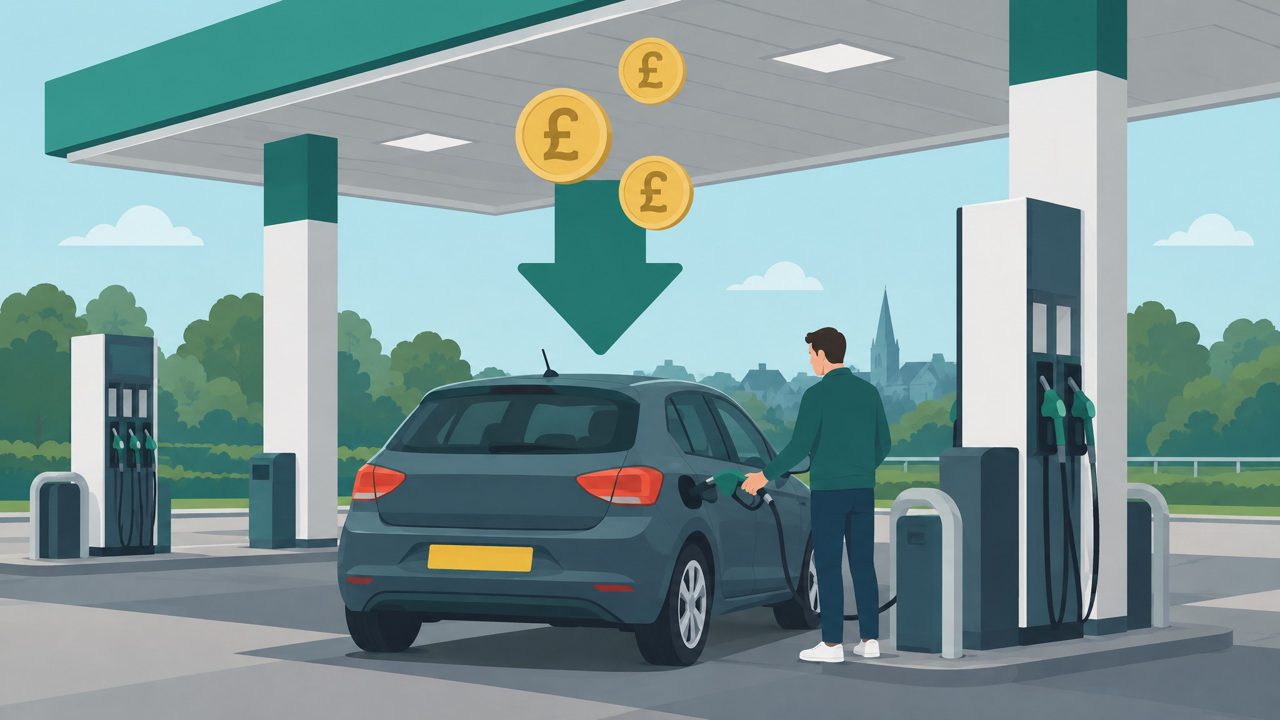
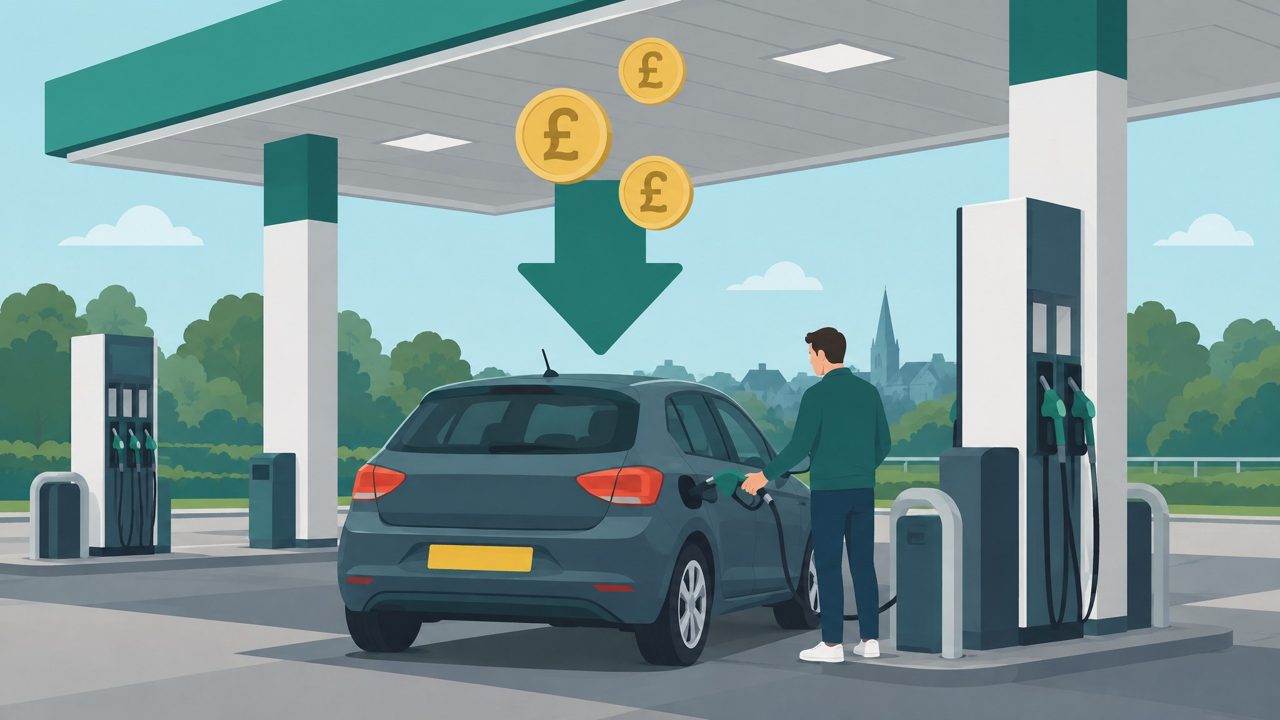
The government cancelled plans to add 5p back onto fuel duty in January 2027 and extended the cut by six months. Duty on petrol and diesel stays at 52.95p a litre until 30 June 2027.
On 1 July 2027, duty returns to the level before the 2022 cut and rises with inflation. The official rate for unleaded petrol from that date is 60.59p a litre. That is 7.64p more, or about 9p a litre once VAT is added.
Vehicle tax (VED): up with inflation from 1 April 2027
Road tax for cars, vans and motorcycles will rise in line with the Retail Prices Index (RPI) from 1 April 2027. The exact new rates are published before the change. Search and rescue charity vehicles become exempt from the same date.
For electric cars, the expensive car supplement threshold is already £50,000 (it rose from £40,000 on 1 April 2026).
Pay-per-mile for electric cars: April 2028
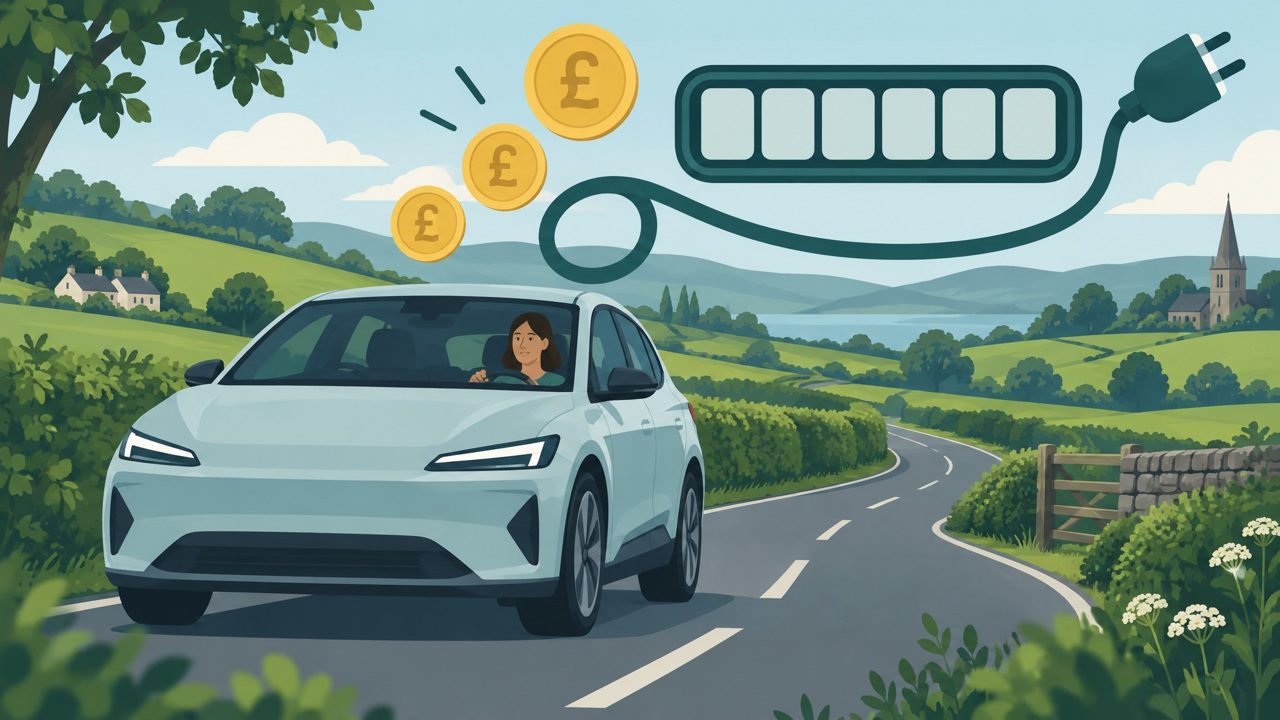
Electric Vehicle Excise Duty (eVED) starts on 1 April 2028:
- 3p a mile for battery electric and hydrogen cars
- 1.5p a mile for plug-in hybrid cars
You will estimate your mileage for the year and pay upfront or spread the cost, with a check against your actual reading at the end of the year. A mileage estimation tool will be available at launch. Read our full eVED guide.
Mileage rates for people who drive for work
- The 55p a mile tax-free rate for the first 10,000 business miles is now permanent.
- The rate for business miles above 10,000 rises from 25p to 35p from 6 April 2027.
Charging an electric car
- Public and workplace charging is confirmed as subject to 20% VAT from 1 November 2026 (home electricity is different).
- £100 million over two years will reduce the cost of local, lower-powered public chargers from spring 2027.
Company cars
Company car tax rates for 2030–31 will be 1 percentage point higher than 2029–30 across all bands. For electric company cars that means 9% rising to 10%. Mandatory payrolling of company car benefits has moved to 6 April 2027.
What to do now
- Petrol or diesel: fuel costs stay steady until the end of June 2027; budget for higher prices after that.
- Thinking of an electric car: include eVED in your running costs from April 2028. Our running costs calculator shows the full picture.
- Selling soon: see what your car is worth today with a free moValue estimate.