

Car insurance groups explained
Every car sold in the UK is given an advisory insurance rating. For most cars on the road that is a group from 1 to 50. Here is who sets it, what decides it, why versions of the same model can differ so much, and how the newer Vehicle Risk Rating works.
What is the 1-50 Group Rating?
The Group Rating is produced for the insurance industry by Thatcham Research, the motor insurers’ research centre. Manufacturers feed vehicle data into Thatcham’s database, and that data is passed to the Association of British Insurers (ABI) Group Rating panel, which sets an advisory group for each version of a car.
Group 1 is the cheapest to insure and group 50 the most expensive. The group is advisory: it describes the car, not the driver. Insurers also price your cover on things such as:
- the driver’s age
- postcode
- no-claims bonus
- annual mileage
- how the car is used (social, commuting or business)
- claims history
So two people insuring the same car can pay very different amounts, and a low-group car is not automatically cheap for everyone.
What decides a car’s group
Thatcham says more than 125 data points are reviewed. The main factors are:
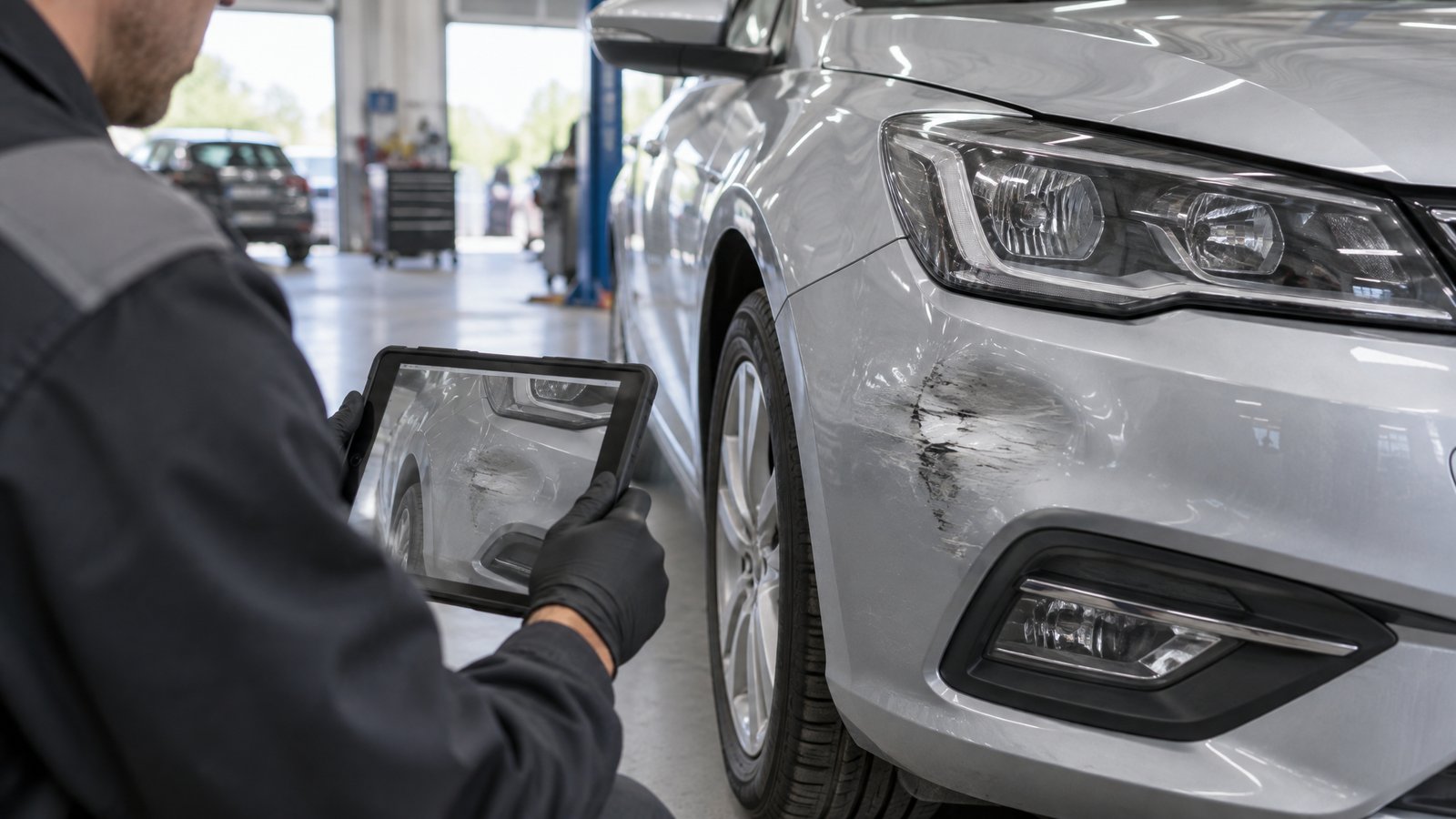
- Repair cost and time. The repair method needed, and the cost and time to return the car to its original condition after a claim. Parts prices are taken from a standard list of the most commonly accident-damaged panels and components.
- New price. The price of the car when new, including differences between trim levels, which reflects the cost of settling a claim if the car is written off.
- Performance. 0-60 mph acceleration, top speed and weight.
- Safety and security equipment. The standard-fit systems, including active safety such as autonomous emergency braking (AEB), and security equipment.
- Security suffix. A letter added after the group number shows how well the car performed against a benchmark set of security tests.
Why the same model can sit in very different groups
Groups are set for each version, not for the model name. A small-engined entry trim and a high-powered top trim of the same car can be many groups apart, because power, performance, new price and standard equipment all change. When you compare quotes, always use the exact version: engine size, power and trim level.
The new Vehicle Risk Rating (VRR)
Since 1 August 2024, brand-new models have been rated with the Vehicle Risk Rating instead of a single group. VRR gives five separate scores, each from 1 to 99:
- Damage: how design and materials affect how badly the car is damaged.
- Repair: how easy and costly it is to repair.
- Security: physical and digital security.
- Safety: how well safety and crash-avoidance systems work.
- Performance: speed and acceleration.
Older models keep their 1-50 group, so for most used cars the 1-50 group is still the figure you will see. VRR scores and 1-50 groups are not directly comparable.
How to find your car’s group
The group appears on most insurance quotes for your exact version. On your moValue results page we show an Insurance cost indicator (Low, Medium or High). It is a moValue estimate, not the official insurance group, based on the car’s engine power, price when new, body type, fuel and age. You can also tell us the group your quote shows: once five or more owners of the same version agree, we show the group reported by owners.
Frequently asked questions
Is group 1 the cheapest to insure?
Group 1 is the lowest-risk group and group 50 the highest. A lower group usually points to cheaper cover, but the group is advisory: your own price also depends on you, where you live and how you use the car.
Who decides a car’s insurance group?
The 1-50 Group Rating is produced for the insurance industry by Thatcham Research. Vehicle data from manufacturers goes into Thatcham’s database and is passed to the ABI Group Rating panel, which sets the advisory group.
Why do two cars of the same model have different groups?
Groups are set per version, not per model name. Engine, power, trim, new price and standard equipment can all move a version up or down, so check the exact version of the car.
My new car has no 1-50 group. Why?
Models newly rated since 1 August 2024 use the Vehicle Risk Rating instead: five scores from 1 to 99. Older models keep their 1-50 group.
Does moValue show the official insurance group?
No. Our results page shows an “Insurance cost indicator” (Low, Medium or High). It is a moValue estimate based on the car’s power, price when new, body type, fuel and age, not the official group.
Related Guides
Sources
Official figures in this guide come from the sources below. Ranges and examples not linked to a source are general guidance from our editors, not official statistics.